Work Hours
Monday to Friday: 7AM - 7PM
Weekend: 9AM - 12PM
Smart Snacking for Parkinson’s: Energy-Boosting Snacks That Are Easy to Chew and Handle

Understanding the Importance of Snacking for Parkinson’s Patients
Proper nutrition plays a vital role in the health and well-being of individuals living with Parkinson’s disease. As the condition progresses, patients often experience changes in appetite, energy levels, and the ability to consume food comfortably. These factors highlight the need for appropriate dietary strategies, particularly the incorporation of smart snacking. Snacking can serve as an effective way to address the nutritional needs of Parkinson’s patients while helping to manage symptoms such as fatigue, which is a common challenge in this population.
Energy demands for those with Parkinson’s can be unique, where fluctuations in physical activity and daily routines can lead to variations in nutritional intake. For many patients, regular meals may not suffice to meet energy requirements due to difficulties with chewing or swallowing. As a result, snacks can become a crucial component of their daily nutrition, providing small bursts of energy throughout the day. These energy-boosting snacks can include nutrient-dense options that are easy to chew and swallow, helping to ensure that individuals receive adequate amounts of vitamins, minerals, and calories.
Additionally, smart snacking can help in managing some common Parkinson’s symptoms. Chronic fatigue is prevalent among patients, and consuming snacks that provide instant energy can alleviate this concern. Moreover, incorporating healthy snacks can assist in regulating blood sugar levels, preventing the sharp dips that often contribute to lethargy. Foods rich in protein, fiber, and healthy fats are excellent choices that support sustained energy release.
In summary, understanding the importance of proper snacking can significantly impact the dietary habits and overall health of individuals with Parkinson’s disease. Through thoughtful selection of easy-to-chew and handle snacks, patients can better manage their energy levels and nutrition, ultimately improving their quality of life.
Characteristics of Ideal Snacks for Parkinson’s Patients
When considering suitable snacks for individuals with Parkinson’s disease, several key characteristics emerge as essential. First and foremost, snacks must be easy to chew and swallow. Due to the muscular and neurological challenges that may accompany Parkinson’s, patients often experience difficulties with mastication and deglutition. Therefore, snacks should have a soft consistency, minimizing the risk of choking and ensuring an enjoyable eating experience.
Additionally, the ability to handle snacks with ease is crucial. Individuals affected by Parkinson’s may experience tremors or reduced dexterity, making it difficult to grip traditional snack items. As such, snacks should be provided in manageable serving sizes and packaged to facilitate simple access. Finger foods that can be eaten without utensils are ideal, as they allow for greater independence during snack time.
Nutritional balance is another critical consideration for ideal snacks. Parkinson’s patients require a diet rich in essential nutrients to support their overall health and energy levels. Snacks should offer a mix of carbohydrates, proteins, and healthy fats to provide sustained energy. Incorporating fruits, whole grains, nuts, and low-fat dairy can contribute to a well-rounded nutritional profile, addressing the unique dietary needs of this population.
Moreover, snacks that possess energy-boosting properties can significantly benefit individuals with Parkinson’s, who may experience fatigue or lethargy. Nutrient-dense options that help maintain stable blood sugar levels will also enhance overall well-being. Foods rich in vitamins, minerals, and antioxidants not only support physical health but can also promote cognitive function, an essential aspect of managing Parkinson’s disease.
In light of these considerations, identifying snacks that align with the specific needs of Parkinson’s patients can facilitate better nutrition, independence, and an overall improved quality of life.
Top Energy-Boosting Snack Ideas
When it comes to managing dietary needs for individuals with Parkinson’s, choosing the right snacks can play a crucial role in maintaining energy levels and overall health. Here, we present a variety of energy-boosting snack ideas that are not only nutritious but also easy to chew and handle, addressing the specific needs of those affected by this condition.
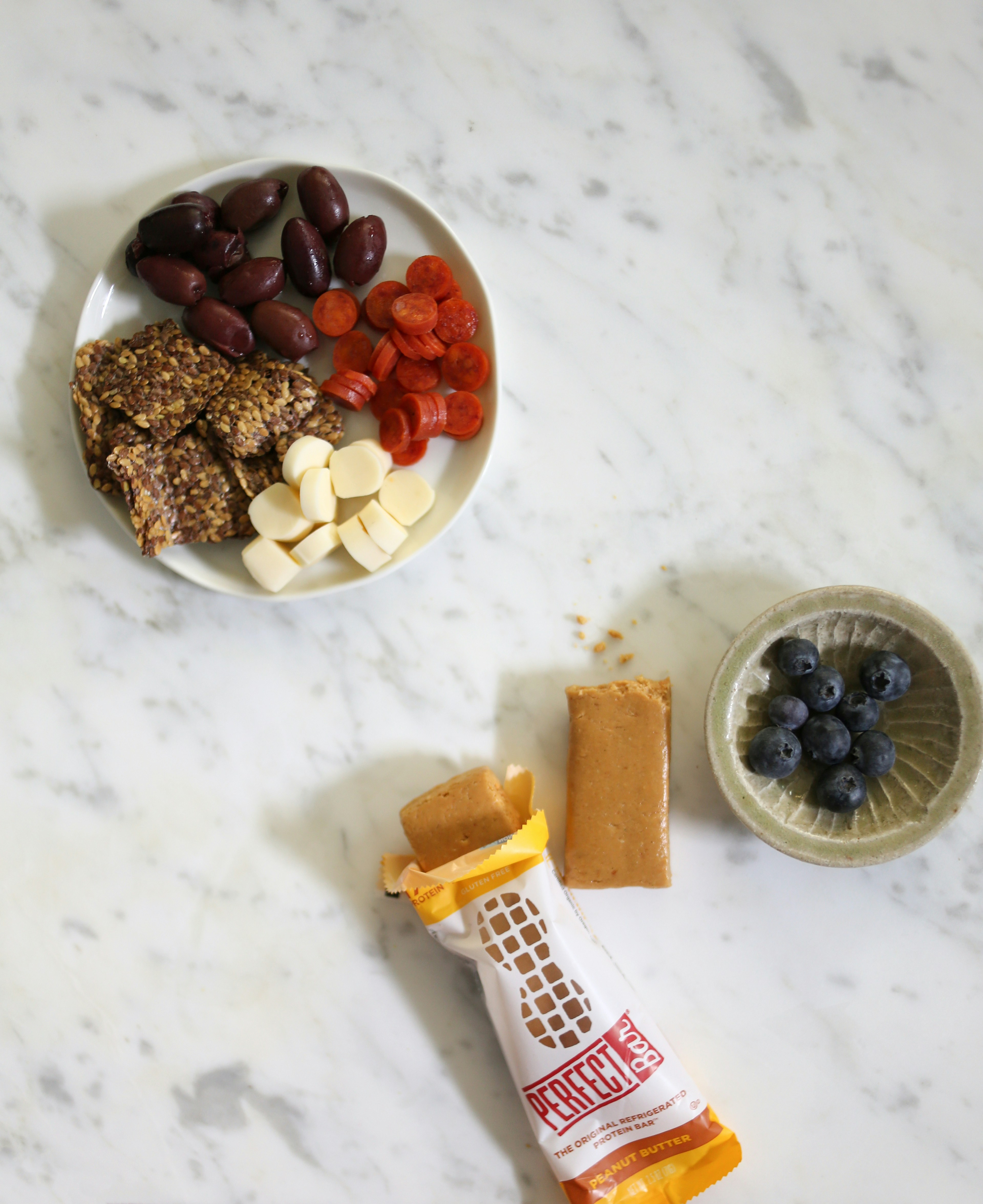
First on the list are protein-rich snacks, which can effectively sustain energy without requiring excessive effort to consume. Hard-boiled eggs are a commendable option, providing high-quality protein and essential nutrients. For those who prefer a plant-based alternative, nut butters—like almond or peanut butter—paired with whole grain crackers or banana slices offer a flavorful and energy-dense choice.
Hydrating fruits and vegetables are another excellent category for energizing snacks. Sliced cucumbers or bell peppers with hummus deliver a refreshing crunch and a boost of hydration, vital for those facing difficulty with swallowing. Similarly, baby carrots or cherry tomatoes can be easy to manage and consumed as quick snacks. Incorporating fruits such as watermelon, orange segments, or soft berries can maintain hydration while supplying natural sugars for quick energy.
Granola bars or energy balls made from oats, honey, and seeds provide a wholesome, chewy snack option that is easy to prepare in advance. These can be tailored to personal tastes and dietary preferences, ensuring compliance with necessary nutritional needs. Lastly, yogurt—preferably Greek for higher protein content—can serve as a creamy snack that is not only nutritious but also simple to handle with minimal utensils. Combining yogurt with fruits or granola offers a quick pick-me-up while remaining manageable.
Incorporating these energy-boosting snack ideas into daily routines can significantly contribute to better health maintenance for individuals with Parkinson’s, offering convenience, variety, and nourishment.
Preparing Snacks in Advance: Streamlining Your Routine
Effective management of one’s dietary needs can significantly influence energy levels and overall well-being, especially for individuals with Parkinson’s. Preparing snacks in advance is a practical approach that not only saves time but also ensures a diverse range of options to cater to various energy requirements and personal preferences.
One effective strategy is batch prepping. Dedicate a specific day each week to prepare multiple servings of selected snacks. This method allows you to create a variety of snacks such as energy bars, nut mixes, or fruit slices that can be portioned and stored for quick access. Use resealable bags or airtight containers to maintain freshness while preventing spoilage. Proper storage is crucial; consider employing freezer-safe containers for items that can be frozen, such as smoothies or baked goods, to extend their shelf life.
Another key aspect of this process is creating a weekly snack menu. Outline different snacks to enjoy each day, incorporating a balance of nutrients to optimize energy throughout the week. This not only helps in maintaining variety but also aids in planning grocery lists effectively. Ensure that you include a blend of proteins, fats, and carbohydrates, as well as fiber-rich options to promote sustained energy levels. Additionally, consider convenience when selecting snacks. Easy-to-chew and handle options are essential to accommodate any eating difficulties that may arise with Parkinson’s.
Incorporating these strategies into your routine can simplify your snacking habits. With snacks prepared in advance, individuals can focus on enjoying their meals rather than feeling overwhelmed by the need to prepare food on the spot. By streamlining the snacking process, one can optimize energy and enjoy a healthier lifestyle, accommodating the unique challenges posed by Parkinson’s Disease.
Snack Prep for Tired Days
Fatigue is a common challenge for individuals living with Parkinson’s disease, often making it difficult to prepare meals or snacks. Therefore, having energy-boosting snacks that are easy to chew and handle readily available is essential for maintaining energy levels throughout the day. Prepping snacks ahead of time can significantly alleviate the stress and effort required on particularly tiring days.
One effective strategy is to dedicate some time each week to prepare a selection of snacks. Opt for nutrient-dense options such as sliced fruits, which are not only rich in vitamins but also hydrating. Apples, bananas, and berries are not only easy to chew but also naturally high in antioxidants, helping to combat fatigue. Consider creating small containers of mixed nuts and dried fruits; this combination offers healthy fats, fiber, and protein that can help sustain energy levels.
Another simple preparation method involves batch-cooking snacks like energy balls or protein bars that can be stored in the refrigerator. Recipe variations often include ingredients such as oats, nut butter, and honey, providing a quick energy boost whenever needed. For those who prefer a more savory option, preparing hummus or yogurt-based dips ahead of time can create a satisfying snack when paired with cut veggies or whole grain crackers.
It’s also beneficial to utilize easy-to-handle packaging like resealable bags or portable containers, ensuring that snacks are as accessible as possible. By having a variety of quick, easily prepared snacks on hand, individuals can ensure they are nourishing their bodies without feeling overwhelmed by the demands of preparation. These practical strategies can significantly enhance energy levels and overall well-being, making it easier to navigate the challenges of each day.
Tips for Making Snacking Easier
For individuals living with Parkinson’s disease, snacking can pose challenges due to motor difficulties and dietary restrictions. However, implementing a few thoughtful strategies can significantly enhance the snacking experience, ensuring it is both enjoyable and manageable. One effective approach is to utilize adaptive utensils that are specifically designed to assist those with limited dexterity. These utensils may include built-up forks and spoons, non-slip mats, and plate guards that help secure food on the plate, allowing for more comfortable and independent eating.
Creating an inviting snack environment can also make a noticeable difference. Designate a specific area in the kitchen or dining room for snacks, utilizing colorful plates and engaging displays. This visual appeal can stimulate appetite, while easy access to well-organized snack options minimizes the effort required to engage in healthy snacking. Additionally, consider making snacks visible and within reach, which can promote independence and encourage the desire to snack. One beneficial practice is to prepare snacks in advance and store them in convenient containers, ensuring they are ready whenever hunger strikes.
Involving caregivers or family members in the snack preparation process can provide crucial support. Engaging a loved one to help with cutting, peeling, or portioning snacks not only eases the physical demands of meal prep but also fosters social interaction. This shared experience can enhance emotional well-being, an essential element when managing Parkinson’s. By preparing snacks together, caregivers can also learn the preferences and dietary needs of the individual, ensuring that snack choices remain appealing and healthful. Through these practical tips, individuals with Parkinson’s can navigate their snacking challenges with increased ease and enjoyment.
Adapting Snacks for Individual Preferences and Needs
Parkinson’s disease presents unique challenges that can vary significantly from individual to individual; therefore, addressing the specific dietary needs and preferences of patients is paramount when considering smart snacking options. As each person experiences distinct symptoms and alterations in their ability to eat, it becomes essential to customize snack choices that cater to their specific health requirements and preferences.
For instance, some individuals may benefit from gluten-free snacks due to gluten intolerance or celiac disease, while others may prioritize low sugar options to better manage their blood sugar levels. Including vegetarian snacks can also be a viable option for those choosing to reduce or eliminate animal products from their diet. Snack customization enhances the overall enjoyment and satisfaction of eating, which can prove to be particularly beneficial in maintaining an appetite and ensuring proper nutrition.
A versatile approach can be adopted by incorporating snacks that cater to different textures and flavors. For those experiencing dysphagia, soft or pureed snacks might be essential. Smoothies made from fruits and vegetables can offer both nutrition and ease of consumption. On the other hand, enhancing flavor through natural herbs and spices can appeal to individuals desiring more robust taste experiences. It is crucial to regularly assess individual preferences, as they can evolve over time, influenced by changes in health status or taste sensitivity.
Furthermore, involving patients in the snack preparation process can create a sense of ownership and encourage healthier eating habits. By working together to discover new ingredients and techniques, caregivers can help ensure that the snacking routine not only meets nutritional guidelines but also aligns with individual tastes and needs. A personalized approach to smart snacking for Parkinson’s can make an impactful difference in the overall quality of life for patients.
Incorporating Hydration into Snacking
Proper hydration is fundamental for maintaining energy levels, particularly for individuals living with Parkinson’s disease. Dehydration can lead to fatigue, cognitive difficulties, and reduced muscle function, which can be detrimental to daily activities. Therefore, including hydration into snack routines is crucial for sustaining overall health and energy.
Integrating hydrating snacks can effectively enhance fluid intake while providing nutrition. Fruits such as watermelon, cucumbers, and oranges are excellent options as they boast high water content. These snacks are not only refreshing but also easy to chew and handle, making them suitable choices for those who may experience coordination challenges. A simple fruit salad, for example, can offer both hydration and essential vitamins, while smoothies can blend fruits with yogurt or nut milk for a delicious, hydrating snack.
In addition to hydrating foods, fluid consumption can be strategically paired with snacks to optimize hydration levels. Encouraging the intake of herbal teas, infused waters, or broths alongside snacks can enhance the experience and ensure that fluid intake remains consistent throughout the day. For instance, pairing going a handful of almonds with a light herbal tea can provide a satisfying balance of protein and hydration.
It is crucial to establish a routine for fluid consumption. Setting reminders for intermittent hydration breaks can help in maintaining a consistent intake of liquids, especially in conjunction with snacks. Moreover, utilizing lidded cups or straws may facilitate easier drinking for individuals with dexterity challenges, promoting higher fluid consumption without the risk of spills. Overall, the linkage between hydration and energy is pivotal, emphasizing that incorporating water-rich snacks and strategic fluid pairing can be highly beneficial.
Conclusion: Embracing Smart Snacking for Better Health
In the journey of managing Parkinson’s disease, the importance of nutrition, particularly through smart snacking, cannot be overstated. Throughout this blog post, we have explored various energy-boosting snacks that are easy to chew and handle, tailored specifically for individuals living with Parkinson’s. Maintaining energy levels and ensuring nutritional health are vital components of overall well-being for those affected by this condition. It is clear that the foods we choose to incorporate into our diets can have a significant impact on our daily lives, influencing both physical and mental health.
By selecting snacks that offer not only convenience but also essential nutrients, individuals can support their energy needs and enjoy meals without the strain of complex preparations. Foods such as nut butters, yogurt, smoothies, and baked goods made from whole grains provide both protein and healthy fats, which are critical for sustained energy. Additionally, snacks rich in fiber can aid digestion and help manage any gastrointestinal discomfort commonly associated with Parkinson’s.
Incorporating a variety of these smart snack options allows for a more balanced diet while accommodating the challenges that may arise with eating and chewing. It is important to recognize that each individual’s preferences and abilities may vary, hence, customizing snack choices can make a substantial difference. Simple modifications to snacking habits may lead to improved energy throughout the day, enhancing both physical mobility and mental clarity.
As we embrace these strategies, it is encouraged that caregivers and individuals alike remain proactive in creating a supportive environment for smart snacking. By implementing these practices into daily routines, we can work towards better health and an improved quality of life. Ultimately, the journey towards optimal nutrition and energy management is attainable through mindful snacking decisions.