Work Hours
Monday to Friday: 7AM - 7PM
Weekend: 9AM - 12PM
Wheelchair Accessible Travel in Ireland: Tips, Routes and Resources

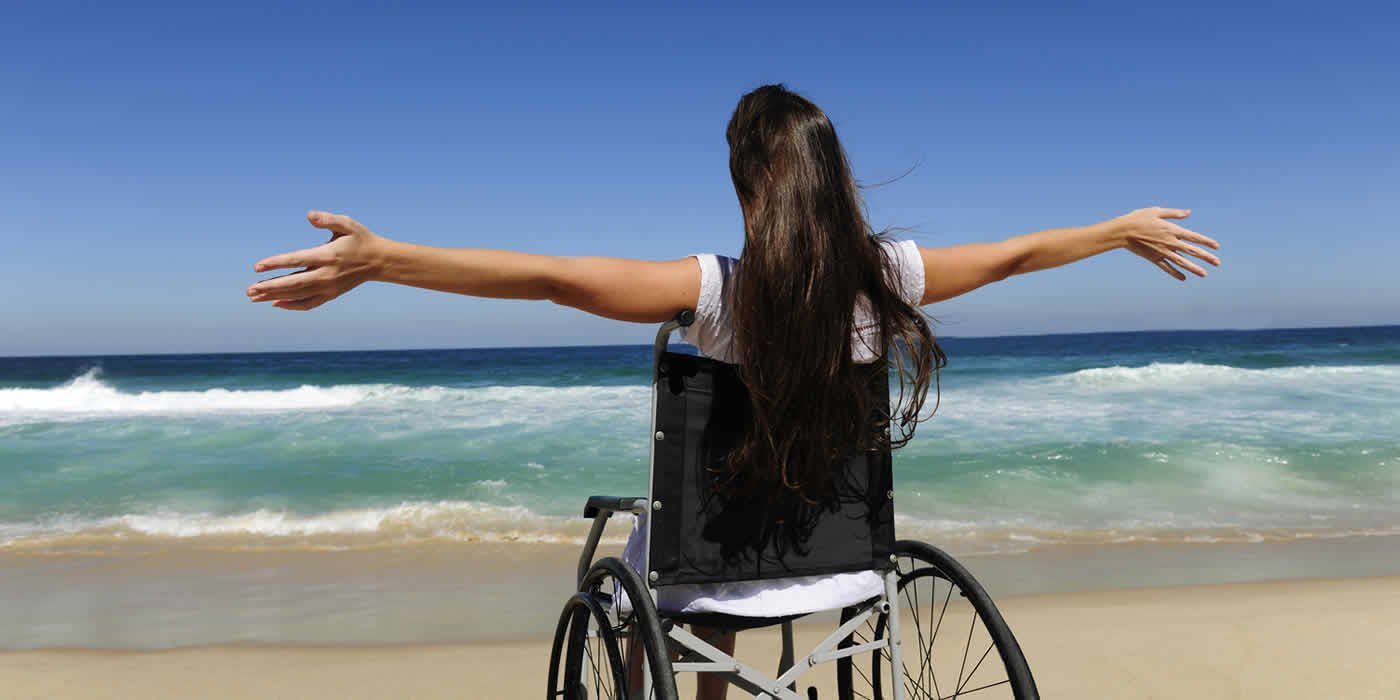
Ireland is a beautiful country — but anyone who uses a wheelchair or has mobility difficulties knows that getting around can sometimes feel like an obstacle course. The cobblestones of Galway, the uneven paths of coastal villages, and the varying accessibility of public transport can make planning a trip feel daunting.
The good news is that accessibility in Ireland has improved significantly in recent years, and with a little planning, it’s entirely possible to have a brilliant, stress-free time. This guide shares practical tips, useful resources, and some genuinely accessible spots to consider.
Getting Around by Public Transport
Irish Rail has invested heavily in accessibility in recent years. Most intercity trains now have dedicated wheelchair spaces, accessible toilets, and level boarding at major stations. You can request assistance through the Irish Rail accessibility page, and they ask for 24 hours notice where possible.
Dublin Bus and the Luas tram system are largely wheelchair accessible, with low-floor vehicles on most routes. The National Transport Authority’s journey planner lets you filter for accessible routes.
Bus Éireann’s intercity coaches are more variable — some routes have accessible coaches, others don’t. Always ring ahead to confirm before travelling.
The Free Travel Pass
If you receive Disability Allowance, Invalidity Pension, or certain other social welfare payments, you’re entitled to a Free Travel Pass, which covers you for unlimited travel on public transport across Ireland. Your companion can also travel free. Apply through mywelfare.ie.
Accessible Attractions Worth Visiting
Some of Ireland’s most iconic attractions have made significant accessibility improvements:
- Cliffs of Moher — has a fully accessible pathway along the cliff edge with viewing platforms
- Newgrange — the visitor centre is accessible; the passage tomb itself has limited access due to its age
- Kilkenny Castle — ground floor accessible, with an accessible car park nearby
- Fota Wildlife Park, Cork — largely flat and accessible with hard-surfaced paths throughout
- The Titanic Belfast — excellent accessibility throughout, with lifts and step-free routes
Accessible Accommodation
When booking accommodation, always contact the property directly rather than relying on website descriptions alone — accessibility features can vary significantly from what’s listed online. Fáilte Ireland has worked with properties across the country to improve and certify accessibility standards.
Ask specifically about: step-free entrance, ground floor or lift access, roll-in shower or walk-in bathroom, turning radius in the bedroom, and accessible parking.
Useful Apps and Resources
- Disabled Access Day — an annual event showcasing accessible venues across Ireland
- AccessAble — detailed access guides for venues across Ireland and the UK
- Mobility Mojo — an Irish platform that reviews and rates the accessibility of hotels and venues
Travelling With Your Own Mobility Equipment
If you’re travelling by air, most airlines will transport a manual wheelchair free of charge in the hold. Power wheelchairs require advance notice and specific battery guidelines — always inform the airline at the time of booking, not at the gate.
For rail travel, Irish Rail ask that you book assistance in advance to ensure the ramp and space are ready for you.
If you need to hire a wheelchair or mobility scooter for a trip, some chemists and mobility shops offer short-term hire — it’s worth searching locally for your destination, or getting in touch with us at Disability Ireland to see what we can help with.
Have a tip about an accessible spot in Ireland we should know about? We’d love to hear from you — accessibility is a community effort, and the more we share, the more everyone benefits.